


Owner and operated by locals, The Dog Social is your new local dog grooming and daycare in the heart of Manly.
For many dogs, grooming feels strange at first. New smells. A grooming table. Water. A blow dryer. Nail trimmers. Other dogs nearby. For an anxious dog, those small things can feel like a lot.
The good news is that dog grooming can become calmer with the right plan. Short grooming sessions, gentle handling, positive reinforcement and the right grooming tools can help your dog feel safer over time.
This guide shares practical grooming tips for anxious or nervous dogs, with a focus on calm prep, simple steps and knowing when to ask professional groomers for help.

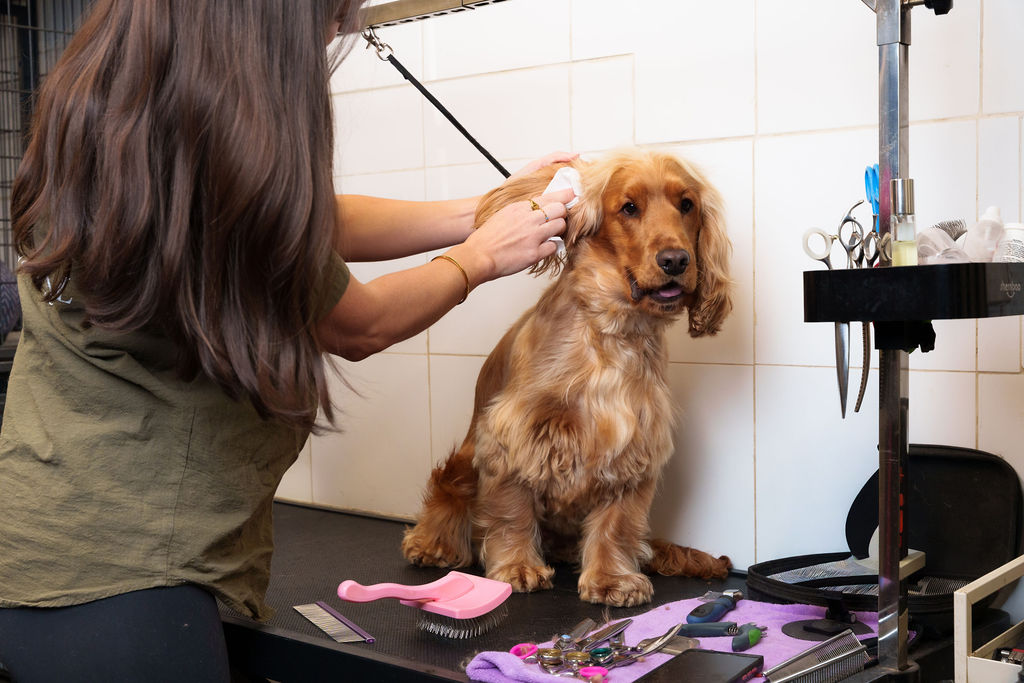
A calm groom starts before the brush comes out.
Many dogs respond better when grooming time follows a predictable routine. Pick a quiet time of day. Avoid rushing. Have all the grooming tools ready before you start. This may include:
Let your dog sniff each item. Put the brush near them without using it. Touch the handle to their shoulder, then reward calm behaviour. Over time, your dog can start to associate grooming tools with treats and praise.
RSPCA Australia recommends making grooming a pleasant experience, starting with short sessions and rewarding calm behaviour with attention and treats.
If your dog has had bad past experiences, go slower. A nervous dog may need several days just to accept the sight of grooming equipment.
For local owners, a short walk around Manly or a play session before grooming can help use some nervous energy. A tired dog may settle more easily, but avoid starting when your dog is exhausted, hot or hungry.
Need a calmer plan? The Dog Social team can talk through grooming options before your appointment, so your dog’s first visit feels more familiar.
Your grooming space matters.
Choose a quiet room with good lighting and enough room to move. Turn off loud appliances. Keep other dogs away if your dog finds them distracting. Place a towel or non-slip mat on the floor or grooming table to help your dog feel steady.
A calm environment may include:
Stress trigger | Calmer option |
Loud blow dryer | Towel dry first, then use a low setting if accepted |
Slippery floor | Non-slip mat |
Long session | Break grooming into short steps |
Strong smells | Use mild, dog-safe products |
Busy room | Pick a quiet space |
Sudden touch | Let your dog sniff and see tools first |
Some owners try calming music, gentle pressure, dog appeasing pheromones or pheromone sprays. Research on dog appeasing pheromone products is mixed, but one randomised, triple-blind study of 28 dogs found a small effect on some stress markers during a clinical exam setting.
Calming aids should support a good grooming process, not replace gentle handling. If your dog shows severe anxiety, speak with a vet before using calming products.
Gentle grooming techniques work best when they are simple and repeatable.
Start with the least sensitive area. Many dogs accept brushing along the back before they accept paws, ears, tail or belly. Use a calm voice. Keep your body relaxed. Dogs often pick up on rushed movements.
Try this pattern:
Build slowly. A full groom does not need to happen in one session at home.
For nail care, start with one nail. Touch the paw. Treat. Touch the nail trimmers to the nail. Treat. Clip one nail only if your dog stays calm. End on a positive note.
Signs your dog may need a break include:
These are signals, not bad behaviour. They tell you the grooming experience has become too much.
Fear Free’s training approach focuses on reducing fear, anxiety and stress in pets through education for people who care for them.
Anxiety during grooming can come from many things. Strange smells, loud noises, sore spots, past experiences, the car ride, bath time or sensitive areas can all play a part.
The aim is to reduce anxiety before it builds.
Try these steps:
Positive reinforcement can help your dog build trust. The reward needs to come right after the calm action. For example, your dog lets you touch a paw, then gets a treat straight away.
Do not punish fear. Punishment can make a dog’s fear worse. It can teach a dog that grooming predicts stress, rather than safety.
For severe cases, professional help is the better path. This may mean a vet check to rule out pain or health issues, then a slow grooming plan with professional groomers who use gentle handling.
A recent Australian news report about a grooming incident noted concerns from animal welfare voices around forceful handling and calls for greater care in grooming practice. The key lesson for owners is simple: choose groomers who work slowly, read stress signals and give dogs breaks.
The right tools can make grooming easier for anxious dogs.
Use appropriate tools for your dog’s coat type. A Husky, Cavoodle, Poodle, Cavalier King Charles Spaniel and short-haired breed all need different care. The wrong brush can pull the coat, irritate skin or make grooming painful.
Common helpful tools include:
Do not use all the grooming tools at once. For anxious dogs, too many items can feel overwhelming. Introduce one item at a time.
If your dog has matting, avoid pulling at knots. Mats can sit close to the skin and may hide sore spots. A professional groomer can check what is safe to brush out and what may need careful clipping.
RSPCA South Australia notes that long, tangled and matted hair around the eyes and ears can be linked with health and comfort issues, so prevention through regular grooming matters.
Use this simple home grooming plan between salon visits.
Choose a quiet room. Put treats within reach. Lay down a non-slip mat. Keep sessions short.
Stroke your dog’s back, shoulders and chest. If they stay relaxed, reward them. Leave paws, ears and tail until later.
Let your dog sniff the brush. Brush once or twice. Reward. Stop before your dog pulls away.
Gently check for knots behind the ears, under the collar, around the armpits, near the tail and behind the legs. These are common sensitive areas.
Try one small section per session. For example:
Day | Task |
Monday | Brush back and sides |
Tuesday | Comb behind ears |
Wednesday | Touch paws and reward |
Thursday | One nail or nail file practice |
Friday | Short brush-out after walk |
Saturday | Bath prep or towel practice |
Sunday | Rest day or light touch practice |
Use warm water, not hot. Wet the body slowly. Avoid spraying water straight at the face. Use a dog-safe shampoo. Rinse well.
Towel dry first. If using a blow dryer, start far away on a low setting. If your dog shows fear, stop and try towel drying.
End with treats and praise. A calm finish helps your dog remember grooming as safe.
These grooming tips for anxious or nervous dogs work best when repeated often in small, low-pressure sessions.

Home grooming can help build trust, but some tasks are better left to professional groomers. This is common for dogs with thick coats, matting, sensitive skin, strong fear around nail trims or owners short on time.
A professional grooming session can include:
At The Dog Social in Manly, grooming is part of a wider care setting with daycare, training, teeth care and retail in one local place. The brand promise is gentle, professional care in Manly, so dogs go home happy and owners can get on with their day.
For anxious dogs, share details before the booking:
This helps the groomer plan a safer, calmer visit.
Book online in minutes, then drop off on the way to work or during your Manly errands.
A calmer groom starts with trust, clear steps and gentle handling. With patience, the right tools and a steady routine, many anxious dogs can learn that grooming time is safe.
The Dog Social offers dog grooming in Manly for Northern Beaches owners who want skilled care, a friendly team and easy booking. From tidy brush-outs to full grooms, the team can help your dog feel clean, comfortable and ready for pick-up.
Book a grooming appointment with The Dog Social and give your dog a calmer path to a clean coat.
Start with a short walk, a toilet break and a quiet space. Let your dog sniff the grooming tools. Use treats and praise. Keep the first session very short.
Common signs include lip licking, shaking, panting, freezing, hiding, growling, trying to escape and pulling paws away. Stop and give your dog a break if stress builds.
Yes, for simple tasks such as light brushing, touch practice and tool introductions. For matting, nail trims, clipping or severe anxiety, professional groomers may be safer.
Start with one to five minutes. Build from there. For many dogs, several short grooming sessions are better than one long session.
Yes. Treats and praise can help dogs build positive associations with grooming equipment, touch and the grooming space.
Some calming scents and pheromone sprays are made for dogs, but products vary. Use dog-safe options only. Ask your vet if your dog has health issues, stomach issues, allergies or severe anxiety.
Start by touching the paw, then reward. Next, show the nail trimmers without clipping. You can try a nail file. Clip one nail only when your dog is calm.
Ask for help if your dog panics, growls, snaps, has mats close to the skin, shows pain, or cannot settle with short home grooming sessions.